
Are you tired of stepping over clutter and searching for missing items in your home? Effective rubbish removal can transform your living space from chaotic to calm, enhancing your family’s well-being and happiness.
What You Will Learn
- Understanding the psychological benefits of a tidy home, including reduced stress and improved family interactions.
- Identifying common waste types in family homes, such as old toys, broken appliances, and expired food, to streamline your decluttering process.
- Exploring eco-friendly disposal options, including recycling, donating, and composting, to promote environmental responsibility within your family.
- Implementing practical waste management tips, such as creating a rubbish removal schedule and involving every family member in the process.
- Understanding the importance of regular maintenance in rubbish removal to prevent clutter from accumulating and to maintain a peaceful environment.
- Utilizing space-saving techniques, such as under-bed storage and multi-purpose furniture, to maximize organization in your home.
- Creating a family task matrix based on age to assign appropriate rubbish removal responsibilities and foster a sense of ownership among children.
- Encouraging open feedback sessions to adapt rubbish removal routines, ensuring everyone feels involved and valued in the process.
- Transforming cleaning into a fun experience through music and challenges to cultivate family bonding while decluttering.
- Taking actionable next steps toward rubbish removal by setting goals and sharing successes to inspire others in your community.
Waste Types and Eco-Friendly Disposal Options
Explore common waste types in family homes and effective eco-friendly disposal options. For more detailed advice, check out these efficient rubbish removal tips.
Common Waste Types
- - Toys: Often outgrown or broken.
- - Appliances: Old electronics that no longer work.
- - Food Waste: Leftovers and expired groceries.
Eco-Friendly Disposal Options
- - Recycling: Follow local guidelines.
- - Donation Centers: Donate usable items.
- - Composting: Turn food scraps into compost.
Waste Management Tips
- - Create a Schedule: Set days for rubbish removal.
- - Sort Regularly: Weekly sorting time.
- - Involve Everyone: Make it a family effort.
Creating a Family Task Matrix
- - Toddlers (2-4 years): Simple pick-up games.
- - Preschoolers (5-6 years): Sorting items.
- - School-age (7-12 years): Managing their own rooms.
- - Teens (13+ years): Leading decluttering sessions.
Effective Rubbish Removal Strategies for Busy Families
Understanding the Importance of Rubbish Removal
When rubbish piles up, it can feel like a heavy weight on your family life! Not only does clutter make it hard to find things, but it can also lead to unnecessary stress. Keeping your home tidy not only enhances your living space but also promotes a sense of calm and well-being for everyone in the house.
Imagine walking into a room where everything is in its place, and you can easily breathe. A tidy environment encourages creativity, productivity, and even better family interactions! It’s amazing how a little decluttering can foster a happier home.
Identifying Common Waste Types in Family Homes
Families typically accumulate a variety of rubbish items over time. Some common culprits include old toys, broken appliances, and expired food items. Recognizing these items is the first step toward effective disposal.
- **Toys**: Often outgrown or broken, these can quickly take over play areas.
- **Appliances**: Old electronics or kitchen gadgets that no longer work.
- **Food Waste**: Leftovers and groceries that have passed their prime.
Understanding what you’re dealing with helps in choosing the right disposal methods. Each item can have a different path—whether it’s composting, recycling, donating, or tossing in the trash. For more tips, explore how to declutter your home to ease stress.
Eco-Friendly Disposal Options for Families
As a family, you can make a big difference by opting for eco-friendly disposal methods! Here are some options:
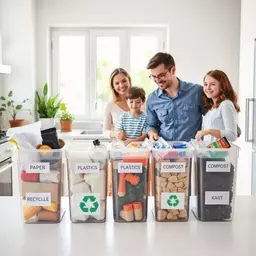
- **Recycling**: Check local guidelines for recyclables like paper, plastic, and glass.
- **Donation Centers**: Items in good condition can be donated to local charities.
- **Composting**: Food scraps and yard waste can turn into rich compost for your garden.
Embracing these eco-friendly options not only helps the environment but also instills values of responsibility and care in your children. At Load & Lighten, we believe in promoting a cleaner planet while helping families declutter!
Waste Management Tips for Busy Families
Managing household waste doesn’t have to be overwhelming! With some practical tips, you can keep your home organized and clutter-free. Here are a few strategies:
- **Create a Schedule**: Set specific days for rubbish removal and stick to them!
- **Sort Regularly**: Make time each week to sort through items and decide what to keep or toss.
- **Involve Everyone**: Make it a family effort to encourage participation and accountability.
Implementing these waste management tips can make a big difference. It transforms rubbish removal from a chore into a collaborative family activity that builds stronger bonds!
Quick Summary
Here's a brief recap of the key points discussed so far:
- Understanding the importance of rubbish removal for a calm and organized home.
- Identifying common waste types and eco-friendly disposal options.
- Implementing practical waste management tips that involve the whole family.
- Maintaining an organized home through regular upkeep and space-saving techniques.
- Encouraging family participation in rubbish removal to foster bonding and responsibility.
Frequently Asked Questions About Rubbish Removal for Families
- Q: What are the psychological benefits of a tidy home?
- A: A tidy home significantly reduces stress, improves focus and productivity, and enhances overall family interactions by creating a calm and harmonious environment.
- Q: What are some common waste types found in family homes?
- A: Common waste types include outgrown or broken toys, old and non-functional appliances, and food waste like leftovers and expired groceries.
- Q: How can families dispose of rubbish in an eco-friendly way?
- A: Families can use eco-friendly options such as recycling paper, plastic, and glass according to local guidelines, donating usable items to charities, and composting food scraps and yard waste.
- Q: What are some effective waste management tips for busy families?
- A: Effective tips include creating a regular rubbish removal schedule, setting aside time each week for sorting items, and involving all family members in the decluttering process.
- Q: How can I involve my children in rubbish removal?
- A: You can create a family task matrix based on age, assigning simple pick-up games for toddlers, sorting tasks for preschoolers, room management for school-age children, and leadership roles for teens.
- Q: Why is regular maintenance important for an organized home?
- A: Regular maintenance prevents clutter from accumulating, reduces stress, and ensures the home remains a peaceful and functional environment for everyone.
- Q: How can space-saving techniques help with family organization?
- A: Space-saving techniques like under-bed storage, shelving units, and multi-purpose furniture help maximize available space, minimize clutter, and make it easier to locate items.
- Q: How can we make cleaning fun for the whole family?
- A: You can make cleaning fun by playing upbeat music, setting challenges with timers, and rewarding efforts with family activities like movie nights or special treats.
Maintaining an Organized Home for Family Wellbeing
Keeping an organized home is not just about aesthetics; it profoundly impacts our family’s wellbeing! Regular maintenance plays a vital role in rubbish removal, preventing the buildup of clutter that can lead to stress and chaos. When we consistently check in on our spaces, we create a nurturing environment that allows everyone to thrive.
Imagine walking into a room where everything is in its place. It feels good, doesn’t it? By setting aside a little time each week for maintenance, you can keep rubbish at bay and ensure your home is a haven of tranquility. This simple habit can make a significant difference in your family’s peace of mind.
The Role of Regular Maintenance in Rubbish Removal
Regular maintenance is like giving your home a little love! Here are some effective strategies to stay on top of rubbish removal:
- Set a weekly cleaning schedule that includes rubbish removal tasks.
- Encourage family members to do a quick tidy-up before bed.
- Perform seasonal decluttering to address items that accumulate over time.
By incorporating these habits into your family's routine, you'll find that keeping your home organized becomes second nature. Remember, the key is consistency! For more ideas on how to manage your home effectively, consider these decluttering tips for busy parents. 😊
Creating Space-Saving Techniques for Family Organization
In a busy family home, maximizing space is essential. With a few clever organization techniques, you can minimize clutter and create a more functional environment. Here are some ideas:
- Utilize under-bed storage for seasonal items.
- Install shelving units in closets for better vertical storage.
- Consider multi-purpose furniture, such as ottomans with storage.
These ideas not only free up space but also make it easier to find what you need when you need it. An organized home can lead to smoother family routines and happier minds!
Engaging Family Members for a Collective Effort
Getting everyone involved in the rubbish removal process can transform a mundane task into a fun family activity! When everyone participates, it fosters a sense of ownership and responsibility within the household. Plus, it can be a great bonding experience!
Creating a Family Task Matrix by Age Group
Assigning age-appropriate tasks can make rubbish removal feel less overwhelming for kids. Consider this practical task matrix based on age:
- Toddlers (2-4 years): Simple pick-up games with toys.
- Preschoolers (5-6 years): Sorting items into “keep” and “donate” boxes.
- School-age (7-12 years): Managing their own rooms and helping with recycling.
- Teens (13+ years): Leading family decluttering sessions and coordinating waste disposal.
By tailoring tasks to each age group, you’re not only making rubbish removal easier but also teaching valuable skills to your children. It’s a win-win!
Encouraging Feedback and Adjustments in Rubbish Removal Routines
Open communication is essential for adapting rubbish removal processes. It’s important to involve everyone in discussions about what’s working and what needs improvement. Here’s how to encourage feedback:
- Hold regular family meetings to discuss cleaning and organization strategies.
- Encourage kids to voice their opinions on what tasks they enjoy or dislike.
- Adjust routines based on family feedback to keep everyone engaged.
By fostering this open dialogue, you create a more harmonious home where everyone feels valued and heard. It’s all about teamwork! For further reading on maintaining a tidy environment, check out our guide on eco-friendly rubbish removal for families.
Fostering Family Bonding Through Cleaning Activities
Cleaning doesn’t have to be a boring chore! Turn rubbish removal into a fun and collaborative activity that brings your family closer. Here are some creative ideas:
- Play upbeat music while you clean to make it feel like a party.
- Set a timer and challenge the family to see who can declutter the most in a short time.
- Reward your efforts with a family movie night or ice cream treat after a cleaning session.
When you transform cleaning into a fun experience, it encourages everyone to participate. Together, you can create a loving and organized environment that reflects the values of Load & Lighten! 🌟
Actionable Next Steps for Busy Families
Now that you have some practical strategies in hand, it's time to put your rubbish removal plan into action! Remember, the journey to an organized home starts with a single step. Take a moment to gather your family and choose a space to tackle first.
Implementing Your Rubbish Removal Plan
Stay motivated by celebrating your decluttering successes, no matter how small! Share your progress with friends or on social media. Your journey can inspire others to take those first steps toward a lighter, more organized home. If you ever feel overwhelmed, just remember that at Load & Lighten, we’re here to help you every step of the way!
Sharing Your Rubbish Removal Success Stories
Let’s make this journey even more rewarding by sharing our experiences! I encourage you to talk about your rubbish removal successes with friends or on social media. Your stories can motivate others to join the decluttering revolution! Together, we can create lighter spaces and clearer minds for all our families. 🌈
Recap of Key Points
Here is a quick recap of the important points discussed in the article:
- Understand the significance of rubbish removal in promoting a tidy, stress-free home environment.
- Identify common waste types in family homes, including toys, broken appliances, and expired food.
- Utilize eco-friendly disposal options such as recycling, donating, and composting to benefit the environment.
- Implement waste management tips by creating a removal schedule, sorting regularly, and involving all family members.
- Maintain an organized home through consistent maintenance, seasonal decluttering, and space-saving techniques.
- Engage family members in the rubbish removal process by assigning age-appropriate tasks and fostering open communication.
- Transform cleaning into a fun, collaborative activity that strengthens family bonds through creative strategies.
- Take actionable steps towards rubbish removal by setting goals and celebrating your progress together as a family.