Embracing a minimalist lifestyle is more than just decluttering; it’s about creating a space that reflects your values and enhances your well-being. As you navigate this journey, you’ll discover the profound impact of simplicity on your life and mental clarity.
What You Will Learn
- Minimalism is about making thoughtful choices and prioritizing what adds value to your life.
- Recognizing signs that it’s time to declutter can lead to a more serene and organized living space.
- Developing long-term habits is essential for maintaining a minimalist lifestyle, such as mindful purchases and regular decluttering.
- Creating a disposal plan for unwanted items helps you declutter responsibly and sustainably.
- Mindful consumption enhances your minimalist lifestyle by reducing waste and emphasizing quality over quantity.
Effective Decluttering Techniques Overview
This section highlights various effective techniques for maintaining a minimalist lifestyle after decluttering, focusing on long-term habits and mindful consumption. For more detailed tips on managing waste, consider these efficient rubbish removal tips.
Developing Long-Term Habits
- Daily Check-ins: Assess your space regularly.
- Mindful Purchases: Evaluate needs vs. wants.
- Regular Decluttering: Schedule monthly declutter days.
Creating a Disposal Plan
- Donate: Give to local charities.
- Sell: Use online marketplaces for items in good condition.
- Recycle: Be mindful of recyclable items.
- Dispose Responsibly: Eco-friendly disposal methods.
Mindful Consumption Strategies
- Buy Quality Over Quantity: Invest in durable items.
- Focus on Experiences: Create memorable moments instead of material gifts.
- Support Local Brands: Choose sustainable and ethical brands.
Signs It's Time to Declutter
- Items untouched for over a year.
- Living space feels cramped or chaotic.
- Difficulty in finding things.
- Sentimental items taking up too much space.
Understanding Decluttering Techniques for a Minimalist Lifestyle
Living a minimalist lifestyle can be incredibly fulfilling! But what does it actually mean? At its core, minimalism is about simplifying our lives by focusing on what truly matters. This approach encourages us to *let go of excess* belongings, making space not just in our homes, but also in our minds. In today's fast-paced world, where clutter often leads to stress, embracing minimalism can help us find clarity and peace.
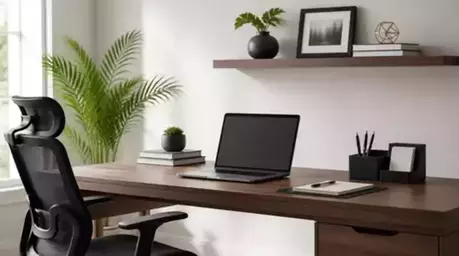
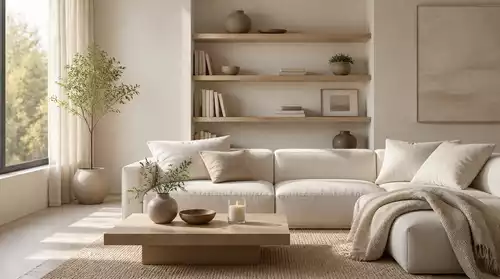
Adopting a minimalist lifestyle is not just a trend; it’s a way to cultivate mindful living. By prioritizing experiences over possessions, we can focus on personal growth, relationships, and mental well-being. Imagine walking into a room that feels open and airy, where every item has a purpose. This is the kind of environment that the team at Load & Lighten strives to help clients achieve! Our mission is to support you in creating that serene space, free from the chaos of clutter.
Defining Minimalism and its Importance in Modern Living
Minimalism encourages us to evaluate our possessions and their true value in our lives. It’s not just about having fewer items; it’s about *making thoughtful choices*. By defining what we need, we can eliminate distractions and focus on what enriches our lives. This, in turn, promotes a sense of **freedom** and helps reduce feelings of being overwhelmed. To learn more about how decluttering can alleviate stress, read our guide on how to declutter your home to ease stress.
The importance of minimalism in modern living lies in its ability to reduce anxiety. Many people find that a decluttered space leads to a decluttered mind. By surrounding ourselves with only those things that bring us joy and functionality, we can better manage our time and energy. So, let’s take a moment to reflect: What items in your space truly bring you happiness?
Identifying the Need for Effective Decluttering Techniques
As we embark on this decluttering journey, it's essential to recognize the need for effective techniques. Identifying what no longer serves us can be a powerful first step. Many of us hold onto items out of habit or guilt, which can lead to clutter that weighs us down. Here are some key signs that it's time to declutter:
- Items have been untouched for over a year.
- Your living space feels cramped or chaotic.
- You struggle to find things when you need them.
- Sentimental items are taking up too much physical space.
Recognizing these signs is vital for moving forward. At Load & Lighten, we help individuals and families navigate these feelings and guide them toward making decisions that promote a lighter, more joyful space. Remember, decluttering is not just about making room; it’s about creating a lifestyle that supports your well-being.
Quick Summary
Here's a brief recap of the key points discussed so far:
- Minimalism focuses on simplifying our lives by letting go of excess belongings.
- Decluttering promotes mental well-being and reduces stress by creating a more organized space.
- Effective decluttering techniques help identify items that no longer serve us, paving the way for a lighter lifestyle.
- Maintaining minimalism is about developing habits that support a clutter-free environment.
- Mindful consumption plays a crucial role in sustaining minimalism and promoting sustainability.
Frequently Asked Questions About Minimalist Living and Decluttering
What is minimalism?
Minimalism is a lifestyle focused on simplifying life by prioritizing what truly matters and letting go of excess belongings. It's about making thoughtful choices that enhance well-being and mental clarity.
Why is decluttering important for a minimalist lifestyle?
Decluttering is crucial because it creates physical and mental space, reduces stress, and promotes a sense of peace. By removing unnecessary items, you can focus on personal growth, relationships, and mindful living.
What are the signs that it's time to declutter?
Key signs include items untouched for over a year, a cramped or chaotic living space, difficulty finding things, and sentimental items taking up too much room. Recognizing these signs helps initiate the decluttering process.
How can I maintain a minimalist lifestyle after decluttering?
Maintaining minimalism involves developing long-term habits like daily check-ins, mindful purchases (evaluating needs vs. wants), and scheduling regular decluttering days. It's about being intentional with what you bring into your home.
What is mindful consumption?
Mindful consumption means being aware of what you buy and its impact. Strategies include buying quality over quantity, focusing on experiences instead of material gifts, and supporting local and sustainable brands. This reduces waste and aligns with minimalist values.
Maintaining Minimalism After Decluttering
Congratulations on taking the steps to declutter your space! Now, let’s talk about how to keep that fresh, organized vibe alive. Maintaining a minimalist lifestyle isn’t just about getting rid of things; it’s about creating habits that support your new, clutter-free environment. As I often remind my clients at Load & Lighten, it’s all about making little changes that stick! Think of it as nurturing a garden; you need to tend to it regularly to see it flourish. For those looking for further assistance, consider exploring tips on how to declutter your space and mind.
First, developing long-term habits is crucial. This includes being intentional about what you bring into your home. Ask yourself, “Does this enhance my life?” If the answer is no, it might be time to leave it at the store. Remember, every item you add can potentially take away from your peaceful space!
Developing Long-Term Habits for a Minimalist Lifestyle
Creating lasting habits can feel challenging, but with a little consistency, it becomes second nature. Here are some practical tips to help you along the way:
- Daily Check-ins: Spend a few minutes each day assessing your space. Is it still organized? Are new items sneaking in?
- Mindful Purchases: Before buying something new, pause and think. Is it a need or a want? Always remember your vision of minimalism!
- Regular Decluttering: Schedule a “declutter day” monthly or seasonally to keep clutter at bay.
These habits are key to sustaining a streamlined lifestyle. At Load & Lighten, we often encourage clients to create a vision board of their ideal space to inspire this daily mindfulness. A little visual motivation can go a long way!
Creating a Disposal Plan: What to Do with Unwanted Items
As you embrace minimalism, you’ll likely encounter items you no longer need. Having a clear disposal plan makes it easy to let go! Here are some suggestions for handling unwanted items:
- Donate: Consider giving items to local charities or shelters. Remember, one person’s trash can be another’s treasure!
- Sell: Use online marketplaces to sell items that are in good condition. This can bring in some extra cash while someone else benefits.
- Recycle: Be mindful of what can be recycled. Many items can be turned into something new!
- Dispose Responsibly: For items that can't be donated or recycled, ensure they are disposed of in an eco-friendly manner. For families, specific guidance on eco-friendly rubbish removal can be very helpful.
Creating a disposal plan not only helps you declutter but also ensures that you’re making responsible choices, aligning perfectly with Load & Lighten's commitment to sustainability!
Implementing Mindful Consumption for Sustainable Living
Mindful consumption goes hand in hand with minimalism. This means being aware of what we buy and the impact it has on our environment. At Load & Lighten, we believe that a sustainable lifestyle is a truly fulfilling one!
Here are a few strategies to help you reduce waste and clutter:
- Buy Quality Over Quantity: Invest in items that last longer instead of multiple cheaper versions.
- Focus on Experiences: Instead of material gifts, consider experiences that create memories, like a day out or a cooking class.
- Support Local and Sustainable Brands: Choose brands that prioritize sustainability and ethical production.
By practicing mindful consumption, you're not just decluttering your space; you’re also contributing to a healthier planet. It’s all about making choices that resonate with your values and support your minimalist journey!
Recap of Key Points
Here is a quick recap of the important points discussed in the article:
- Minimalism is about simplifying life by focusing on what truly matters and letting go of excess belongings.
- Evaluating possessions helps reduce anxiety and promotes freedom by surrounding ourselves with only items that bring joy and functionality.
- Recognizing signs that it's time to declutter, such as items untouched for over a year or a cramped living space, is essential for moving forward.
- Developing long-term habits like daily check-ins and mindful purchases is crucial for maintaining a minimalist lifestyle.
- Creating a disposal plan for unwanted items—such as donating, selling, recycling, or disposing responsibly—helps in decluttering effectively.
- Practicing mindful consumption by choosing quality over quantity and focusing on experiences contributes to a sustainable lifestyle.