
Are you tired of navigating through a chaotic kitchen filled with clutter? You’re not alone! A well-organized kitchen not only enhances your cooking experience but also transforms your home environment. Discover effective strategies to declutter and create a serene space where culinary magic can happen!
What You Will Learn
- Start with a clean slate by emptying cabinets and assessing your kitchen layout for better organization.
- Use a straightforward sorting method to establish “Keep,” “Donate,” and “Toss” piles, enhancing your space's functionality.
- Categorize kitchen items by usage frequency and designate storage zones to streamline your cooking process.
- Maximize space with creative storage solutions, such as using vertical space and drawer organizers for better accessibility.
- Implement eco-friendly practices in your decluttering process, contributing to a sustainable lifestyle.
- Maintain your organized kitchen with simple nightly routines and periodic reassessments to keep clutter at bay.
- Visualize your progress by taking before and after photos of your kitchen transformation to stay motivated.
Kitchen Decluttering Strategies Overview
Here’s a visual snapshot of the effective strategies for decluttering your kitchen space, showcasing key steps in the decluttering process.
Step 1: Preparing Your Kitchen
Empty cabinets and countertops to visualize your space.
- Take everything out
- Wipe down surfaces
- Group similar items
Step 2: Sorting and Purging
Decide what to keep, donate, or toss.
- Keep items you love
- Donate duplicates
- Toss broken or expired items
Step 3: Organizing with Purpose
Categorize kitchen items by usage frequency.
- Daily: Plates and pots
- Weekly: Baking sheets
- Rarely: Specialty appliances
Step 4: Maintaining Order
Establish a reset routine for upkeep.
- Load dishwasher nightly
- Put away out-of-place items
Effective Strategies for Decluttering Your Kitchen Space
Are you feeling overwhelmed by the chaos in your kitchen? Trust me, you're not alone! The kitchen is often the heart of the home, and it can quickly become cluttered with utensils, gadgets, and food items. At Load & Lighten, we know how important it is to create a serene environment, especially in such a central space. Let’s dive into some effective strategies to declutter your kitchen and make it a joyful place to cook and gather!
Creating a Clean Slate: Preparing Your Kitchen for Decluttering
Before we get into the actual decluttering, it's crucial to create a clean slate. This means emptying out your cabinets and countertops to see what you're really working with. Start by taking everything out of your cabinets and drawers, and lay it all out on your counters. This will help you visualize the space and understand what items you truly have. It’s a bit like a treasure hunt, isn’t it?
Next, take a moment to assess your kitchen layout and workflow. Think about how you move in the space. Do you have to constantly reach over to grab your favorite pan? Understanding how you navigate your kitchen can help you decide where to put things back. Let’s create a space that feels intuitive and easy to use! If you're looking for more general tips, discover how to declutter your home to ease stress and create a more peaceful living environment.
Emptying Cabinets and Countertops
When emptying your cabinets and countertops, consider using the following steps:
- Take out everything! Yes, even that blender you haven't used in years.
- Wipe down surfaces to start fresh.
- Group similar items together for easier sorting later on.
It may seem daunting at first, but seeing all your kitchen items in one spot can be enlightening. You may discover hidden gems or realize you have more duplicates than you thought!
Assessing Your Kitchen Layout and Workflow
Now that your kitchen is emptied, it’s time to think about your layout. Ask yourself:
- Where do I do the most cooking?
- How often do I bake versus cook?
- What items do I use multiple times a week?
Understanding your kitchen habits can guide how to organize your items effectively. For example, keep frequently used pots and pans within easy reach, while storing rarely used appliances in less accessible spots. Every little tweak can make a significant impact!
Sorting and Purging: Deciding What to Keep, Donate, or Toss
Once you've created a clean slate, it’s time to dive into sorting and purging. This is where the real magic happens! Grab some boxes and label them “Keep,” “Donate,” and “Toss.” It’s a straightforward approach that takes the guesswork out of decluttering.
Establishing Keep, Donate, and Toss Piles
As you sort through your kitchen items, use these tips:
- Keep items that you love and use regularly.
- Donate duplicates or items you haven’t touched in over a year.
- Throw away anything broken or expired.
This process can feel liberating! You're not just decluttering; you're creating a space that reflects your current lifestyle. For items you decide to toss or donate, consider efficient rubbish removal tips to clear them out quickly and responsibly.
Identifying Expired Items and Duplicates
Be on the lookout for expired food items, spices, and pantry staples. It’s amazing how quickly these can accumulate! Additionally, check for duplicates—do you really need three potato peelers? This is your chance to streamline and make your kitchen more functional.
Organizing with Purpose: Categorizing Your Kitchen Items
Now that you’ve sorted everything, let’s talk about organizing with purpose. This means categorizing your kitchen items so they are easy to find and use. It’s like giving each item its own special home!
Grouping Items by Usage Frequency: Daily, Weekly, Rarely
Consider how often you use each item:
- Daily: Your go-to plates, silverware, and cooking pots.
- Weekly: Baking sheets and mixing bowls.
- Rarely: Specialty appliances or seasonal items.
This categorization can save you time and effort when cooking. Think of it as creating a kitchen that works for you!
Designating Storage Zones: Prep, Cook, Cleanup, Pantry
Once you’ve grouped your items, it’s time to designate storage zones:
- Prep Zone: Knives, cutting boards, and mixing bowls.
- Cook Zone: Pots, pans, and oven mitts.
- Cleanup Zone: Sponges, dish soap, and drying racks.
- Pantry Zone: Food items organized by type.
By creating these zones, you’ll make your kitchen a more efficient and enjoyable space to work in. If your kitchen is on the smaller side, check out our guide on how to declutter your small space easily for more tailored advice.
Maximizing Space: Innovative Kitchen Storage Solutions
Speaking of efficiency, let’s explore some innovative storage solutions to maximize your kitchen space. Trust me, there are so many ways to make the most of what you have!
Utilizing Vertical Space: Shelves, Hooks, and Magnetic Strips
Vertical space is your friend! Here are some ideas:
- Install shelves for cookbooks and decorative items.
- Use hooks to hang pots, pans, and utensils.
- Consider magnetic strips for knives and metal tools.
These solutions not only save space but also add a touch of style to your kitchen!
Implementing Drawer Organizers, Bins, and Labels
Drawer organizers are fabulous for keeping utensils in line. Check out these suggestions:
- Use bins for small items like lids and gadgets.
- Label drawers and containers for easy access.
- Consider using clear containers for visibility.
With these strategies, you'll transform your drawers into neat little compartments of joy!
Pantry Organization: Keeping Essentials Accessible
Your pantry can also benefit from some TLC! Let’s explore how to keep your essentials accessible and organized.
Utilizing Kitchen Bins and Shelf Dividers
Bins can help group similar items together:
- Use clear bins for snacks, grains, and canned goods.
- Implement shelf dividers to separate different categories.
This way, you’ll always know where to find what you need, and your pantry will look fabulous!
Maintaining a Food Inventory of Pantry Staples
Finally, consider keeping an inventory of your pantry staples. This will help you remember what you have and what you need:
- Keep a list on your fridge or in a notebook.
- Update it as you use items or restock.
Staying organized will minimize waste and save you money in the long run!
Maintaining Your Organized Kitchen: Establishing a Reset Routine
After all this hard work, it’s essential to maintain your organized kitchen. A simple reset routine can keep the clutter at bay!
Developing Nightly Tidying Habits
Consider creating nightly habits to tidy up:
- Load the dishwasher and wipe down surfaces.
- Put away any out-of-place items.
These little habits can make a big difference in keeping your kitchen clutter-free!
Periodic Reassessments of Kitchen Organization
Finally, don’t forget to reassess your kitchen organization periodically. You might find:
- New items that need a home.
- Old items that can be donated or tossed.
Regular check-ins will ensure your kitchen stays as serene as your heart desires!
Addressing Kitchen Constraints and Family Needs
No kitchen is perfect, and there might be constraints you have to navigate. Let’s address a few common challenges!
Adapting Strategies for Small Kitchens and Rentals
In small kitchens or rentals, options might seem limited. Here are some tips to make the best of your space:
- Use multi-functional furniture like an island with storage.
- Opt for stackable containers to maximize vertical space.
These adjustments can help you create a functional and beautiful kitchen, no matter the size!
Creating Kid-Friendly and Multi-User Organizational Systems
Lastly, if you have kids or multiple people using the kitchen, consider a system that works for everyone:
- Set up a kid-friendly snack zone within reach.
- Use labels and colorful bins to help everyone find what they need.
Making the kitchen accessible and organized for everyone can lead to a more harmonious home!
Quick Summary
Here's a brief recap of the key points discussed so far:
- Creating a clean slate by emptying cabinets and assessing your kitchen layout.
- Sorting and purging items into "Keep," "Donate," and "Toss" piles for a more functional space.
- Organizing with purpose by categorizing kitchen items and designating storage zones for efficiency.
Sustaining Your Organized Kitchen Space
Once you've worked hard to transform your kitchen into an organized haven, the next step is to maintain that order! It's essential to establish routines that help keep clutter at bay and ensure everything stays in its rightful place. Trust me, a little daily upkeep can go a long way in preserving the serenity you’ve created.
As I often say at Load & Lighten, embracing a lighter space leads to a lighter mindset. So, let's dive into some effective strategies to sustain the joyful ambiance of your newly organized kitchen!
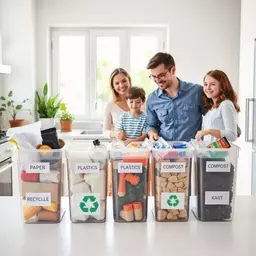
Implementing Eco-Friendly Decluttering Practices
Decluttering isn't just about clearing out unwanted items; it's also an opportunity to make choices that are kind to our planet. When you find items that no longer serve you, consider how to dispose of them responsibly.
- Donation Logistics: Find local charities or organizations that accept kitchen items. Many appreciate the gift of gently used cookware and utensils.
- Recycling Resources: Research which materials can be recycled in your area. Many communities have specific guidelines on recycling glass, plastic, and metals.
- Composting: If you have expired food items, instead of tossing them in the trash, consider composting. It’s a fantastic way to reduce waste while enriching your garden!
Implementing these practices not only helps your kitchen stay organized but also contributes to a more sustainable lifestyle!
Strategies for Reducing Food Waste
Food waste is a significant issue in many households, but with a few simple strategies, you can minimize it. Keeping your kitchen organized will help make this easier. Here are some tips to consider:
- Meal Planning: Plan your meals for the week and make a shopping list. This helps avoid buying unnecessary items.
- First In, First Out (FIFO): Organize your pantry so that older items are in front. This simple trick ensures that you use them before they expire.
- Freezing Leftovers: If you have leftovers, freeze them in portion sizes. This way, you can easily reheat and enjoy them later instead of letting them go to waste.
By reducing food waste, you're not only clearing out your kitchen but also making a positive impact on the environment! For more comprehensive guidance on eco-friendly practices, explore our article on eco-friendly rubbish removal for families.
Visualizing Success: Before and After Examples
Seeing is believing! To inspire your kitchen transformation, I encourage you to take before and after photos of your decluttering journey. This visual representation can be incredibly motivating as you witness the changes you've made.
- Inspiring Transformations: Capture the magic of your organized kitchen. Share these images with friends or on social media to inspire others!
- Printable Checklists: Create handy checklists that outline your decluttering tasks. These checklists provide a fun way to track your progress and keep you accountable.
Every little achievement matters, and these visuals will remind you of how far you’ve come in creating a peaceful kitchen space!
FAQs About Kitchen Decluttering and Organization
Call to Action: Start Your Kitchen Transformation Today
Are you feeling inspired to tackle your kitchen? Don’t wait! Take the first step toward a lighter, more organized space today. Set aside a small amount of time this week to begin your decluttering journey.
And I’d love to hear from you! What challenges have you faced, and how did you overcome them? Sharing your personal experiences helps foster a community of support and encouragement. Remember, at Load & Lighten, we’re all about lifting the burden of clutter together! If you need help with larger items, consider whether rubbish removal or DIY is the best option for your needs.
Recap of Key Points
Here is a quick recap of the important points discussed in the article:
- Start by emptying out your cabinets and countertops to visualize your kitchen space.
- Assess your kitchen layout and workflow to determine the best storage solutions for frequently used items.
- Sort and purge items into “Keep,” “Donate,” and “Toss” piles to declutter effectively.
- Organize your kitchen items by usage frequency and designate specific storage zones for different activities.
- Utilize vertical space and implement drawer organizers to maximize efficiency and style.
- Maintain your organized kitchen with nightly tidying habits and periodic reassessments.
- Implement eco-friendly decluttering practices, such as donating and recycling, to contribute to a sustainable lifestyle.